At a glance
- Consider what a setting allows characters to do, see and conceal.
- Separate a location’s screen appearance from the practical work of filming there.
- Look for a meaningful relationship between the scene and the place, not just a striking backdrop.
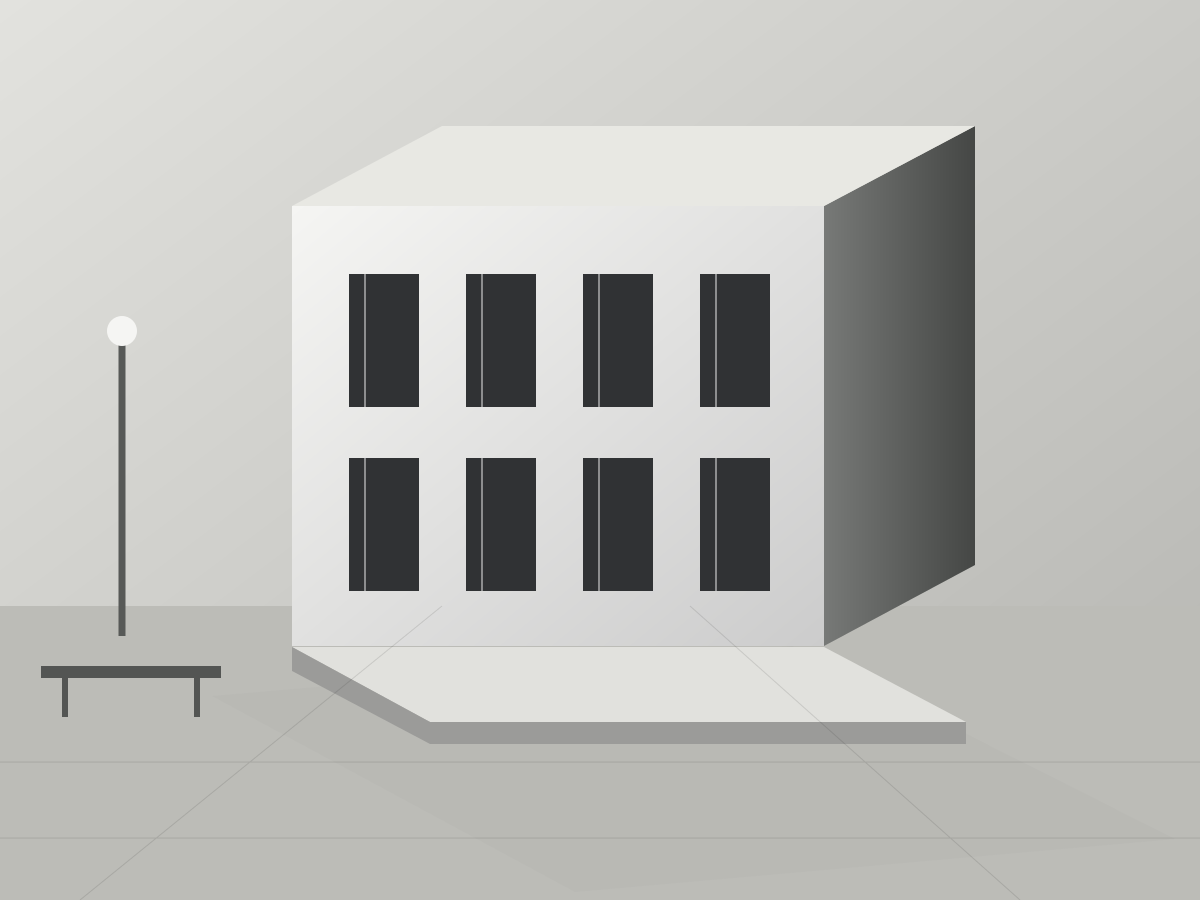
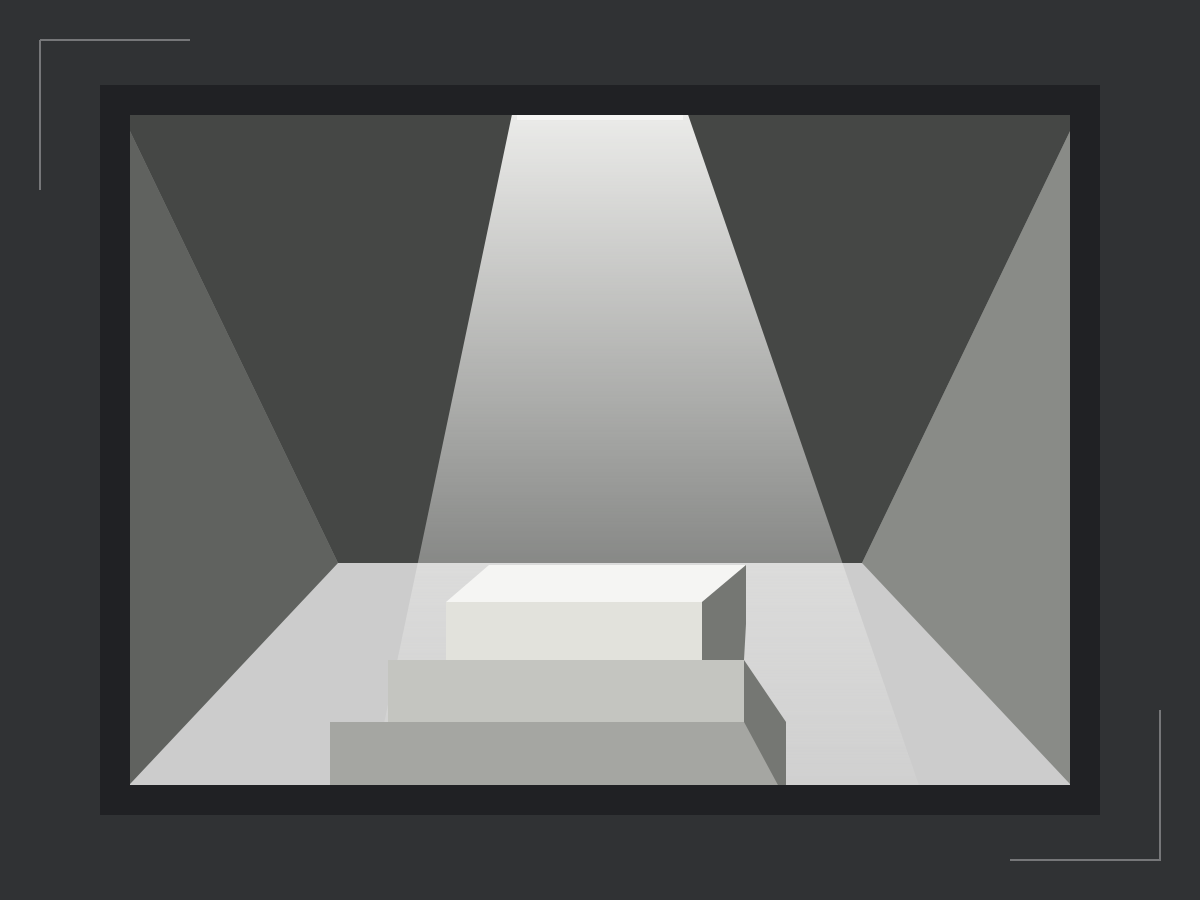
A film location contributes more than scenery. It can shape how characters move, who can overhear a conversation and what the audience understands about a relationship. A place gives a scene physical conditions; the filmmaking choices determine what those conditions mean.
That is one reason a photograph of a location cannot explain everything about its potential on screen. An impressive room may offer little to a particular scene. A plain doorway may provide exactly the distance, interruption or hesitation that the scene needs. The useful question begins with the action: what must happen here, and how does the place help it happen?
Begin with the action
Consider an imagined scene in which two people need to resolve a disagreement. In a private kitchen, either person might interrupt the exchange with an ordinary task. In a crowded café, they may have to manage what strangers can hear. In a corridor, the possibility of someone arriving changes how long either person can safely remain.
The dialogue could be similar across all three versions, yet the available behavior would differ. A seat, an exit or an obstacle can create a reason to move. The distance between people can be maintained, crossed or made awkward. These are hypothetical staging possibilities, not fixed meanings that every audience will read in the same way.
Starting with action makes location selection more specific. Instead of asking only whether a place looks interesting, ask what it allows the scene to show. Can the characters occupy the space in a way that makes their situation clearer? What would have to change if the scene moved somewhere else?
Look beyond the frame
A location must also work for the people making the film. The California Film Commission describes location professionals as the people who research suitable sites and organize practical access for productions. Its industry terminology guide connects the location manager’s work with suitability, permissions and the arrangements surrounding a shoot.
This creates two related ways of reading a place. The audience sees the selected image and hears the selected sound. The production has to consider the activity around that image: where people and equipment can go, how a scene can be repeated and what conditions may change during the day.
The distinction matters even in a small project. A beautiful view does not answer questions about access or permission. A quiet moment during a visit does not establish a reliable recording environment. The practical inquiry protects the possibility of making the creative choice work.
Let details carry weight
Settings can communicate through modest details. A character choosing the seat nearest an exit, pausing at a threshold or struggling to be heard across a table can tell us something without a speech explaining it. Whether that detail feels natural depends on the rest of the scene: performance, framing, editing and sound all contribute.
There is no need to assign a symbol to every object. A place can remain ordinary while giving an action texture. The more useful exercise is to notice a few details that change the interaction. Removing one of them may reveal whether it is doing real work or simply filling the image.
For viewers, this offers another way to revisit a familiar film. Watch a scene once for the dialogue, then again for movement and space. Where does a person enter? What lies outside the frame? How does the setting affect the timing of an encounter? The answers may change which part of the scene feels most important.
Choose a relationship
A memorable location need not be grand, expensive or unfamiliar. Its contribution comes from the relationship between the place and the scene. A doorway can matter because of who is permitted through it. An open landscape can matter because of the distance a character must cross.
Looking at locations this way connects filmmaking with a broader interest in places: how environments allow, interrupt or frame what people do. A setting earns its place in a story when paying attention to it helps us understand the action more clearly.
Sources & further reading
These sources support the facts in this essay. The framing and the examples are the editorial team’s own.
- California Film Commission — Production resources
Primary reference describing location professionals and their role in researching sites and organizing access. Checked October 29, 2026.
- California Film Commission — Film Industry Terminology
Reference for the location manager’s practical responsibilities. The essay’s scene comparisons are editorial illustrations, not descriptions of specific films or Curt Dewitz’s productions. Checked October 29, 2026.
From the editorial desk
Written by the Curt Dewitz Conversations Editorial Team. This essay is editorial commentary: it does not describe Curt’s own experiences, and its views should not be read as his.
Read our editorial approach